Why Construction Dust Is Worse Than Normal Dust
Household dust is usually a mix of:
- Skin cells
- Fabric fibers
- Pet dander
- Pollen and outdoor particles
Annoying? Yes. But post-construction dust adds a much more aggressive mix to the air.
What’s in Construction Dust?
After a renovation, the dust in your home may contain:
- Drywall dust (gypsum)
- Silica dust from concrete, grout, mortar, and tile cutting
- Wood dust from framing, trim, and cabinetry
- Insulation fibers
- Paint and texture overspray particles
- Tiny bits of adhesives and caulk
These particles tend to be much finer and sharper than regular dust, and they can stay airborne longer. The smallest particles are light enough to bypass the body’s normal defenses and reach the lower respiratory tract, where they can trigger inflammation and irritation.
For allergy and asthma sufferers, this means:
- Increased asthma attacks
- Worsened allergy symptoms
- Longer recovery time after the remodel is “done”
This is why a home can look clean but still feel “off” to someone with sensitive airways.
Why Phoenix Makes Construction Dust Even Trickier
Phoenix brings its own environmental challenges to the mix:
- Desert dust blows in and out constantly, especially during windy days and monsoon storms.
- Very low humidity keeps dust from settling; it can stay suspended in the air for longer.
- Many homes have tile or hard flooring, which makes dust more visible and allows it to be easily kicked back into the air.
When you combine that with the fine particles from a renovation, you don’t just get a dusty house—you get an environment where allergy triggers are layered on top of each other.
Even after you sweep and do a normal “move-in” clean, you might still notice:
- Dust on flat surfaces within hours or days
- A light film on glass and mirrors
- Grit inside cabinet shelves or drawers
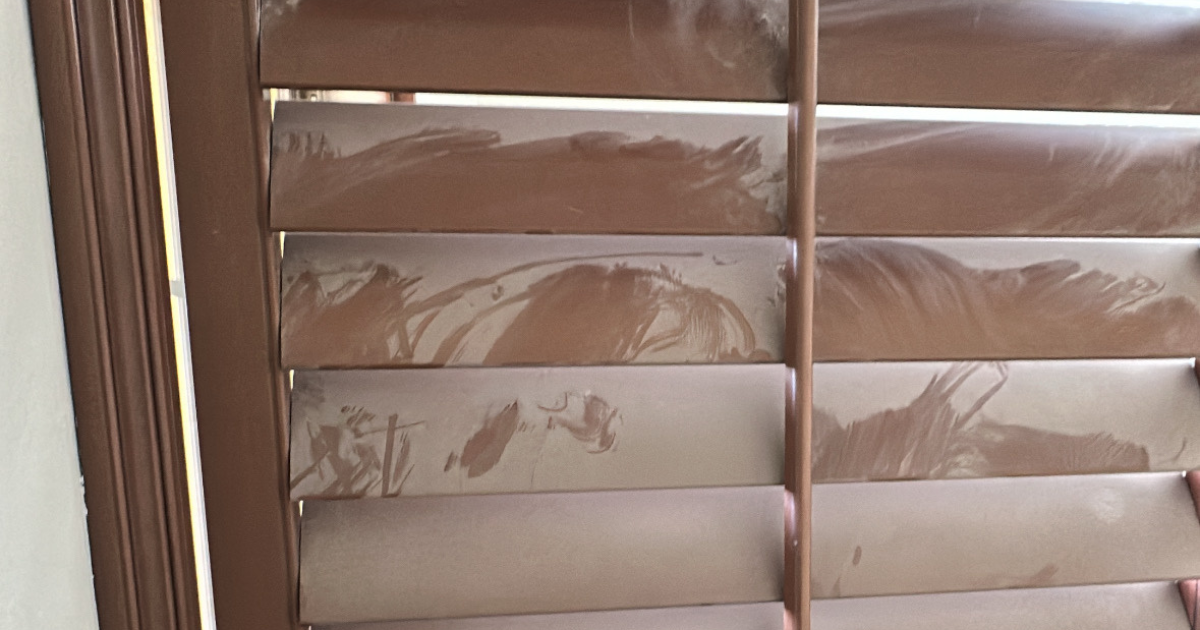
- Dust streaks on walls when you wipe them
That’s a sign that deeper, construction-focused cleaning is needed.
Signs Your Home Still Has Post-Construction Dust Problems
If someone in your home has allergies or asthma, it helps to recognize the warning signs that construction dust wasn’t properly dealt with.
Physical Symptoms
- New or worsening coughing, wheezing, or shortness of breath after the remodel
- Burning or scratchy throat when waking up
- Persistent sinus congestion or pressure
- More frequent use of inhalers or allergy meds
Visual / Environmental Signs
- Dust quickly reappears on surfaces you just wiped
- Air vents and returns look gray or caked with fine powder
- Window tracks and door frames are packed with white dust
- A cloudy film appears on glass or mirrors
- You see dust streaks on walls or baseboards when wiped with a damp cloth
If you check several of these boxes, it’s a strong sign your home needs targeted, top-to-bottom post-construction cleaning, not just regular housecleaning.
Core Principles of Allergy-Safe Post-Construction Cleaning
Before we get into step-by-step details, it helps to understand the principles that make cleaning safer for allergy and asthma households:
- HEPA filtration is non-negotiable
You want vacuums and (ideally) air machines that can capture very fine particles, not blow them back out. - Top-down cleaning is critical
Always start up high (ceilings, fans, vents) and work downward so you’re not re-contaminating areas you already cleaned. - Damp dusting beats dry dusting
Dry feather dusters just push particles into the air. Use damp microfiber and HEPA vacuums whenever possible. - Multiple passes are normal
Construction dust doesn’t all leave in one pass; it settles again and may require 2–3 rounds of cleaning. - HVAC attention is key
If you ignore vents, returns, and filters, your system will keep recirculating dust through your home.
Step-by-Step Allergy-Safe Post-Construction Cleaning Plan
This is a homeowner-friendly roadmap you can use to either clean yourself or evaluate whether a professional company truly understands the process.
Step 1: Protect Sensitive Household Members
Before any major cleaning session, protect the people most at risk:
- Consider having asthma/allergy sufferers stay elsewhere during intense cleaning if possible.
- If they must be home, keep them in a room that’s closed off from the work area.
- Pets with respiratory sensitivities should also be moved away from the dustiest zones.
You might also want to wear:
- An N95 or high-quality dust mask
- Eye protection if you’ll be high-dusting or cleaning overhead
Step 2: Start with Big Debris and Trash
Even in a finished project, you might still find:
- Plastic wrapping and cardboard
- Small bits of drywall scrap
- Tape, stickers, or protective films
Remove all of this first so you’re not working around clutter. Use:
- Contractor trash bags
- A broom and dustpan for large items
- A HEPA vacuum for areas that look visibly dusty even before detailed cleaning
Step 3: High Dusting – Ceilings, Fans, and Vents
This is where many DIY jobs fall short—and where allergy households feel the difference.
Work room by room, starting with:
- Ceiling corners and edges
- Recessed lights and light fixtures
- Ceiling fans and high chandeliers
- HVAC supply vents and return grilles
- Upper shelves and ledges
Use:
- A HEPA vacuum with extension wand for loose dust
- A damp microfiber on an extension pole for fixtures and flat surfaces
Avoid dry feather dusters and anything that just pushes dust around.
Step 4: Walls, Doors, Trim, and Baseboards
Next, move down the walls:
- Lightly HEPA vacuum walls if there’s visible dust
- Wipe doors and door frames with a damp microfiber cloth
- Pay extra attention to baseboards and trim, which collect tons of construction dust.
If walls are freshly painted, avoid harsh cleaners—just a damp microfiber and maybe a small amount of mild, paint-safe cleaner if needed. Always test in an inconspicuous area first.
Step 5: Cabinets, Closets, and Built-Ins
For allergy households, you don’t want dust hanging out:
- Inside kitchen and bath cabinets
- Pantry shelves
- Linen closets
- Built-in shelving and entertainment centers
Process:
- Empty any new or stored items out if they’ve already been placed.
- HEPA vacuum corners and shelf edges.
- Wipe with a damp microfiber, working top shelf to bottom.
- Allow everything to fully dry before putting items back.
Cabinet interiors are often skipped in “basic” cleanings, but they matter a lot for people who react to dust.
Step 6: Detailed Bathroom and Kitchen Cleaning
Bathrooms and kitchens are critical for allergy sufferers because:
- Moisture + dust can create ideal conditions for mold
- New grout and caulk can hold onto dust film
- There are many high-touch surfaces
Focus on:
- Sinks, faucets, and handles
- Countertops and backsplashes
- Inside and outside of drawers and cabinets
- Shower walls, floors, and glass
- Toilets (base, behind toilet, and water line area)
- Mirrors, light fixtures, and fans
Use material-safe products—especially if you have marble, quartzite, or specialty tile—to avoid damaging surfaces while removing dust.
Step 7: Windows, Tracks, and Sills
If you’re sensitive to dust, window areas are huge:
- Window tracks and sills collect compacted drywall dust
- Frames can hold a surprising amount of powder
- Glass often has a fine film that catches allergens and pollen
Method:
- HEPA vacuum the track and sill first.
- Use a small brush or cotton swabs for tight corners if needed.
- Wipe with a damp microfiber.
- Clean glass with a streak-free, ammonia-free product safe for Low-E glass.
This is a big quality-of-life step, especially in Phoenix where windows are open at times and dust easily moves in and out.
Step 8: Floors – Vacuum First, Mop Second
On hard floors, never start with wet mopping after construction. You’ll just create muddy, gritty streaks and potentially scratch the finish.
- HEPA vacuum every floor surface thoroughly, including under toe-kicks and around baseboards.
- For LVP, tile, or sealed hardwood, follow with a damp mop using a neutral cleaner.
- Change mop water frequently; when it looks cloudy or gray, dump it and refill.
- For carpeted areas, use a HEPA vacuum and go over each area slowly; multiple passes in different directions help pull more dust up.
If someone has severe asthma, consider a second full-floor vacuuming within a day or two after the first clean to capture any dust that resettles.
Step 9: HVAC Filters and Airflow
You can do the world’s best cleaning job, but if your HVAC system keeps recirculating construction dust, you’ll feel like you’re starting over every week.
- Replace HVAC filters at the end of construction and again after your major cleaning.
- Consider stepping up to a higher MERV-rated filter (as long as your system can handle it—check your HVAC manufacturer guidelines or talk to a tech).
- If the project was especially dusty (walls removed, extensive drywall sanding, heavy demo), consider professional duct cleaning as a one-time investment.
To help sensitive family members, you may also want to run a HEPA air purifier in bedrooms and main living areas for a few weeks after construction.
DIY vs Professional Cleaning for Allergy & Asthma Households
You might be wondering: Do we really need to hire someone, or can we do all this ourselves?
The answer depends on:
- How big the project was
- How heavy the dust is
- How severe the allergies or asthma are
- How much time and energy you realistically have
When DIY Can Work
DIY can be an option if:
- The project was small and localized (like a single bathroom remodel)
- Dust is moderate, and most of the home remained sealed off
- You have access to at least one HEPA vacuum and good microfiber supplies
- You can spread the work over several days and be methodical
Even then, follow the top-down, HEPA-first approach above.
When a Professional Post-Construction Cleaning Company Makes Sense
Hiring pros is usually the better choice when:
- You’ve remodeled multiple rooms or a full home
- There was significant drywall sanding, wall removal, or flooring demo
- You have high ceilings, lofts, or lots of glass
- Someone in the home has moderate to severe asthma or allergies
- You’re on a tight move-in timeline
In those cases, it’s worth hiring a company that specializes in post-construction cleaning, not just general house cleaning.
A company like Clean Buddies that focuses on post-construction and remodel cleaning in Phoenix will typically:
- Use HEPA vacuums and professional equipment
- Follow a structured, top-down sequence that is designed around construction dust
- Know how to handle new finishes safely (stone, LVP, glass, etc.)
- Offer a scope that includes high dusting, cabinet interiors, window tracks, and flooring—things regular maid services skip
Questions to Ask Before Hiring a Post-Construction Cleaning Company
If you’re an allergy or asthma household, here are key questions to ask:
- Do you use HEPA vacuums and dust control methods?
If the answer is “no,” keep looking. - Are your cleaners trained specifically in post-construction cleaning, not just regular house cleaning?
- Will you clean high areas like ceiling fans, vents, and upper shelves?
Especially important in Phoenix homes with tall ceilings. - Do you include cabinet interiors, window tracks, and baseboards in your standard scope?
- What products do you use on floors, glass, and stone?
You want products that are both safe for sensitive airways and gentle on new finishes. - Can you walk the property with me before and after the job?
Walkthroughs help ensure the home meets your health and comfort standards.
A company that is comfortable answering these questions—and is willing to put their scope in writing—is usually a safer choice for households with respiratory sensitivities.
Make Your Phoenix Remodel Safe to Breathe In
Renovating your home in Phoenix should make life better, not harder on your lungs. For allergy and asthma households, the difference often comes down to how seriously you treat post-construction dust. Normal cleaning isn’t enough—what you really need is a top-to-bottom, HEPA-based, material-safe process that removes the dust you can see and the particles you can’t.
At Clean Buddies, we specialize in post-construction cleaning for Phoenix-area homes, with systems designed specifically for dust-heavy environments and new finishes. If someone in your home has allergies or asthma, let us know when you reach out—we’ll factor that into your cleaning plan, focusing on air quality, high dust areas, vents, and the spaces your family uses most.
Tell us about your project, your square footage, and who we’re protecting, and we’ll build an allergy-conscious post-construction cleaning plan so your remodeled home feels as healthy as it looks.