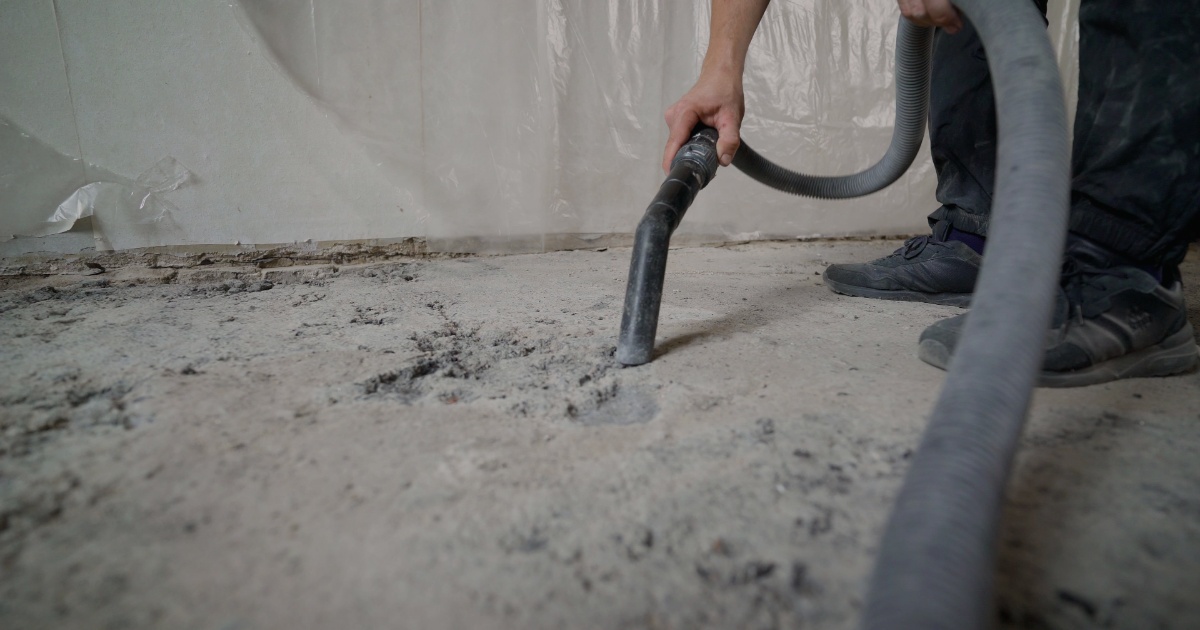
What Makes Construction Dust So Different?
Construction dust isn't your typical household dust. It's composed primarily of ultra-fine particles from drywall compound, concrete cutting, wood sawing, and other building materials. These microscopic particles are so small (often less than 10 microns) that they behave differently than regular dust:
- Drywall dust particles are extremely fine – They can stay suspended in the air for hours and penetrate into every crack, crevice, and porous surface in your home
- Static electricity attracts construction dust – These particles carry an electrical charge that makes them cling stubbornly to walls, ceilings, and surfaces
- It gets into your HVAC system – During construction, dust infiltrates your heating and cooling system, which then continuously recirculates particles throughout your home
- Porous materials absorb it – Drywall, textured ceilings, and fabric surfaces actually absorb fine dust particles deep into their structure
The Real Culprits Behind Persistent Construction Dust
1. Your HVAC System Is Recirculating Dust
This is the number one reason homes stay dusty after construction. Even if contractors tried to contain the work area, construction dust inevitably enters your heating and cooling system through return air vents. Every time your HVAC cycles on, it blows previously settled dust back into your living spaces.
The solution: Your HVAC system needs professional cleaning after any major construction project. This includes:
- Replacing all air filters (standard filters don't capture fine construction particles)
- Professional duct cleaning to remove accumulated dust
- Cleaning supply and return vents, registers, and grilles
- Inspecting the blower motor and evaporator coils for dust buildup
2. Dust Settled in Hidden Areas
Construction dust doesn't just settle on visible surfaces. It infiltrates:
- Inside cabinets and drawers (even when they were taped shut)
- Behind and under appliances
- On top of door frames, crown molding, and ceiling fans
- Inside light fixtures and electrical outlets
- Between window frames and walls
- In carpet fibers and upholstery (where it gets ground in deeper over time)
3. You're Using the Wrong Cleaning Methods
Many homeowners make construction dust worse by using ineffective cleaning techniques:
Common mistakes:
- Dry dusting or sweeping – This just kicks particles back into the air where they resettle elsewhere
- Using a regular household vacuum – Standard vacuums don't have fine enough filtration and actually blow microscopic particles back into your air
- Wet mopping too soon – Mopping before removing dry dust turns it into a muddy paste that's harder to remove
- Using feather dusters or dry cloths – These don't capture dust, they just move it around
Professional Post-Construction Cleaning Methods That Actually Work
HEPA Filtration Vacuums
Professional cleaners use industrial HEPA-filtered vacuums specifically designed for post-construction cleanup. These capture 99.97% of particles as small as 0.3 microns – the only way to effectively remove ultra-fine construction dust without releasing it back into your air.
Top-to-Bottom Systematic Approach
Professional post-construction cleaning follows a specific sequence:
- Air quality improvement first – Replace HVAC filters and clean ducts
- Ceiling to floor cleaning – Start with ceilings, walls, and high surfaces so dust falls down to areas that will be cleaned next
- Multiple pass system – Clean each area multiple times as dust continues to settle
- Specialized products – Use construction-specific cleaning solutions designed to break down drywall compound and construction residue
Damp Wiping Technique
Professional cleaners use microfiber cloths slightly dampened with appropriate cleaning solution to trap dust particles rather than spreading them. This is vastly more effective than dry dusting or using regular cleaning cloths.
How Long Does Post-Construction Dust Really Last?
Without professional cleaning, construction dust can persist for 6-12 months in your home. Here's the typical timeline:
- Weeks 1-2: Heavy visible dust on all surfaces
- Weeks 3-6: Dust continues appearing even after repeated cleaning
- Months 2-4: Fine dust keeps circulating from HVAC system and hidden areas
- Months 4-12: Gradual reduction as you eventually remove most particles through repeated cleaning
With professional post-construction cleaning, this timeline compresses to just 1-3 days for a thorough, complete removal.
The Health Implications You Should Know
Construction dust isn't just annoying – it can impact your health:
- Respiratory irritation – Fine particles can irritate lungs and airways, especially for people with asthma or allergies
- Eye and skin irritation – Drywall compound contains silica and other irritants
- Indoor air quality issues – Continuous dust circulation reduces overall air quality
- Aggravated allergies – Construction dust provides surfaces for allergens to accumulate
For families with young children, elderly residents, or anyone with respiratory conditions, professional post-construction cleaning isn't just about cleanliness – it's about health and safety.
DIY vs. Professional Post-Construction Cleaning
What You Can Handle Yourself:
- Basic surface wiping of non-porous materials
- Vacuuming with a HEPA vacuum (if you have one)
- Changing HVAC filters regularly during cleanup
- Organizing and wiping down belongings
What Requires Professional Help:
- HVAC duct cleaning and system decontamination
- Removing dust from textured surfaces and ceilings
- Deep cleaning carpets and upholstery
- Cleaning inside walls (through electrical outlets and switches)
- Window track and frame detailing
- High-reach cleaning (chandeliers, vaulted ceilings)
When to Call Professional Post-Construction Cleaners
Consider professional help if:
- You've cleaned multiple times but dust keeps returning
- Your renovation involved drywall work, demolition, or significant dust generation
- Family members are experiencing respiratory issues or allergies
- You're preparing to move into a newly constructed or renovated home
- You're a contractor needing final cleaning before project handoff
- You need the job done thoroughly in 1-2 days instead of months of DIY effort
What Professional Post-Construction Cleaning Includes
A comprehensive post-construction cleaning service typically includes:
- Rough clean phase: Removal of large debris, stickers, protective films, and initial dust removal
- Detail clean phase: Thorough cleaning of all surfaces including windows, fixtures, cabinets, and appliances
- Final touch-up: Polish and detail work to ensure everything is move-in ready
- HVAC system attention: Filter replacement and vent cleaning
- Floor care: Appropriate cleaning for tile, hardwood, carpet, and other flooring types
Phoenix-Specific Considerations
Living in the Phoenix Metro area adds unique challenges to post-construction cleaning:
- Desert dust combines with construction dust – Arizona's naturally dusty environment compounds the problem
- Stucco and adobe construction – These materials create especially fine dust particles
- Monsoon season concerns – Humidity changes can affect how dust settles and cleaning effectiveness
- Hard water issues – Phoenix's hard water can make construction dust cleanup more challenging
Conclusion
If your house is still dusty weeks or months after construction, you're dealing with ultra-fine particles that require specialized cleaning methods to fully remove. Construction dust infiltrates your HVAC system, hides in crevices, and clings to surfaces in ways that regular household cleaning can't address. While DIY cleaning can help with visible surfaces, truly eliminating construction dust requires professional-grade HEPA equipment, construction-specific cleaning techniques, and systematic top-to-bottom methodology. For Phoenix homeowners and contractors, professional post-construction cleaning not only saves countless hours of frustration but also ensures healthy indoor air quality and truly move-in ready results. The investment in professional cleaning pays for itself in time saved, health benefits, and peace of mind knowing your home is genuinely clean – not just temporarily dust-free.